


The historical evolution of gambling A journey through time and chance
The Origins of Gambling
The roots of gambling can be traced back to ancient civilizations, where games of chance played a significant role in cultural and social interactions. Archaeological findings indicate that forms of gambling existed in Mesopotamia around 3000 BC, with dice made from materials like bones and ivory. These primitive games laid the groundwork for more complex betting systems as societies evolved. Many people today enjoy engaging with online casinos, which can be seen as a modern extension of these ancient activities.

In ancient China, around 2300 BC, rudimentary gambling activities began to emerge, with games involving tiles and betting on outcomes. This early form of gambling reflected the human fascination with chance, luck, and the desire for wealth, setting a precedent for future developments in the gambling world.
The Rise of Organized Gambling
As societies progressed, gambling became more organized and formalized. The Roman Empire embraced gambling, with betting on gladiatorial games and chariot races becoming popular among citizens. The Romans also created laws to regulate gambling, ensuring a level of fairness and order in the burgeoning gambling industry.
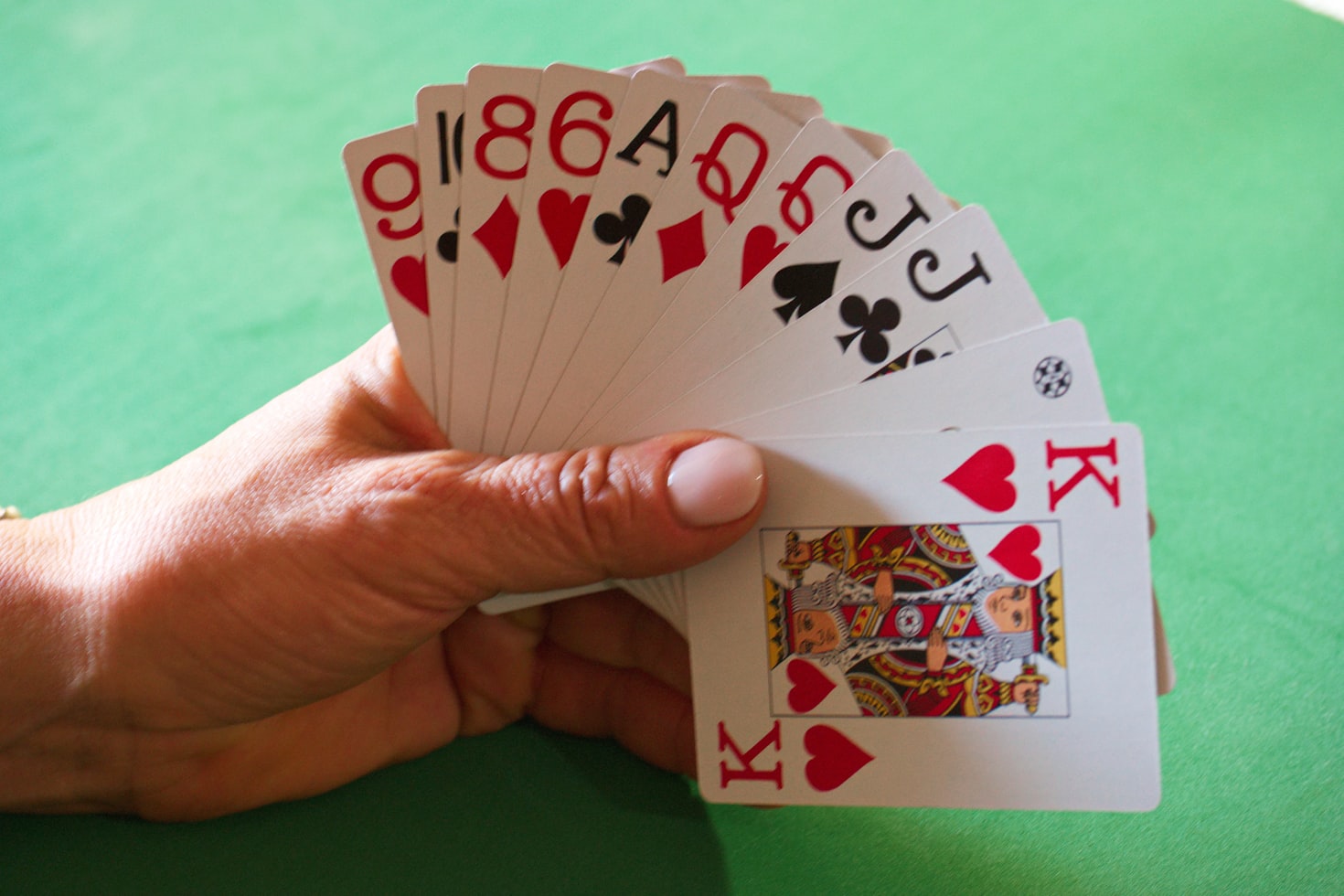
During the Middle Ages, gambling evolved further with the introduction of card games in Europe, believed to have originated in China. The creation of the first known playing cards in the 14th century revolutionized the gambling landscape, giving rise to various popular games that are still played today, such as poker and blackjack.
The Birth of Modern Casinos
The 17th century marked a significant turning point in the history of gambling with the establishment of the first official casinos. The Casino di Venezia opened its doors in Italy in 1638, offering an array of games and a luxurious atmosphere that attracted the elite. This innovation not only set the stage for future casinos but also transformed gambling into a more socially acceptable pastime.
By the 19th century, casinos began to proliferate across Europe and America, with Monte Carlo emerging as a gambling Mecca. This era saw the introduction of roulette, a game that has since become synonymous with casino culture. The glitzy allure of casinos drew people from all walks of life, establishing gambling as a significant aspect of entertainment and recreation.
The Digital Revolution of Gambling
The late 20th century ushered in a digital revolution that transformed the gambling landscape once again. The advent of the internet paved the way for online casinos, allowing players to engage in gambling activities from the comfort of their homes. This accessibility brought gambling to a global audience, significantly increasing its popularity and revenue.
Online gambling platforms have since evolved to include innovative features such as live dealer games and mobile gaming applications. These advancements have not only made gambling more convenient but have also opened up discussions regarding regulation and responsible gaming practices in the digital age.
Explore Our Website for More Insights
Our website serves as a comprehensive resource for those interested in the historical evolution of gambling, offering in-depth articles and analyses. As you navigate through our content, you will find a treasure trove of information about the fascinating journey of gambling through time.
Whether you are a casual player or a serious enthusiast, our platform is designed to enhance your understanding of gambling’s rich history and contemporary practices. We encourage you to explore and enjoy the wealth of knowledge available at your fingertips.